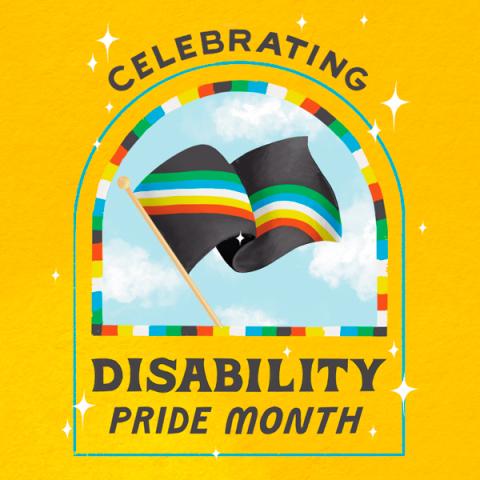
Every July, people celebrate Disability Pride Month by recognizing disability as an important part of identity, honoring the passage of the Americans with Disabilities Act (ADA), and continuing the fight for accessibility and inclusion.
Disability Pride Month is also a chance to celebrate disabled communities, learn about disability history, and recognize the work of disability rights activists. It’s a reminder that while progress has been made, there’s still work to do to make schools, workplaces, healthcare, and public spaces more accessible for everyone.
Most importantly, it’s a time to listen to and amplify disabled voices.
How Did Disability Pride Month Start?
Disability Pride Month began in 1990, the same year the ADA became law. Signed on July 26, 1990, the ADA is a landmark civil rights law that protects people with disabilities from discrimination.
The ADA requires many public spaces and employers to provide reasonable accommodations, such as wheelchair ramps, accessible entrances, service animal access, and equal employment opportunities.
The law didn’t happen by chance, it was the result of years of advocacy led by disabled activists. One of the most powerful moments in the movement was the Capital Crawl in March 1990. More than 1,000 disability rights advocates gathered at the U.S. Capitol to demand action. Around 60 activists left behind their wheelchairs, crutches, and other mobility devices to crawl up the Capitol steps, showing lawmakers the barriers disabled people faced every day.
Today Disability Pride events take place across the country through parades, festivals, and community gatherings to educate people. At the same time, many advocates continue to push for celebrations that are accessible and inclusive for everyone, including people who are immunocompromised or have other access needs.
What is the Disability Pride Flag?
Created by disabled artist Ann Magill in 2019, the Disability Pride Flag celebrates the diversity of the disability community.
The flag features a black background with five parallel colorful diagonal stripes.
- ❤️ Red: Physical Disabilities
- 💛 Yellow: Neurodiversity
- 🤍 White: Invisible and undiagnosed disabilities
- 💚 Green: Sensory disabilities
- 💙 Blue: Mental health disabilities
Together, the colors represent the many different experiences within the disability community.
What Is Ableism?
Ableism is discrimination, prejudice, or unfair treatment toward disabled people. It can also show up as assumptions that people without disabilities are somehow "more capable" or "better."
Ableism isn't always obvious. Sometimes it shows up in the language we use or the way society is designed.
For example, many common phrases have roots in ableism, including:
- "That's so crazy."
- "You're lame."
- "Are you deaf?"
- "You're blind if you can't see that."
- "You're so lucky you get to skip the line."
Using these phrases doesn't automatically make someone a bad person, but learning where they come from can help us choose more respectful language.
How Can You Be a Better Ally?
Being an ally starts with listening. Learn from disabled creators, advocates, and community members about their experiences instead of making assumptions.
If someone tells you they're disabled, remember that not all disabilities are visible. You don't need to ask personal questions about their diagnosis or medical history unless they choose to share. If someone asks for support, ask what they need instead of assuming what's helpful.
You can also advocate for accessibility in your own community by speaking up when spaces, events, or resources aren't inclusive.
Why Disability Pride Matters
Disability Pride is about more than celebrating one month each year.
It's about recognizing that disabled people belong in every community and deserve equal access, respect, and opportunities every day. Learning about disability history and challenging ableism helps create a world where everyone can participate, be included, and thrive; because accessibility benefits us all.