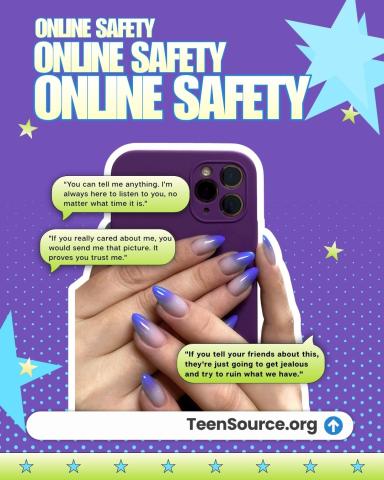
Being online means connecting with people in ways you likely wouldn’t in real life. You might talk to someone who goes to a different school, someone who lives really far away, or someone that’s a different age than you. Maybe you meet them in a Discord channel for your favorite show, maybe you started chatting in a Twitch stream, or maybe they just found your TikTok videos relatable and messaged you. Being online often means being available to a lot more people than you might be prepared for, and that includes people who might not have the best intentions in getting to know you.
The internet makes it easier than every to meet people outside your school, neighborhood, or friend group. But not everyone online has good intentions. Sometimes people use online friendships to build trust with young people before trying to manipulate, pressure, or exploit them. This behavior is called grooming and recognizing the warning signs can help you protect yourself and others.
Look for the following signs:
- Lying:
Someone online might pretend to be closer to your age, share fake information about their life, or lie about their identity to gain your trust. Pay close attention to when someone does any of the following
- Changes their age, location, or personal details
- Avoids answering basic questions about themselves
- Pretends to know people in your life to gain your trust
- Has stories that don’t seem to add up
You don’t have to investigate someone’s identity to prove they’re lying. If something feels off, trust yourself and take a step back.
- Always talking about sex
An online conversation might start with something completely normal, like gaming, music, or school. But over time, someone may start asking uncomfortable questions about your body, sexual experiences, or relationships.
Pay attention to someone who:
- Asks or pressures you for nude pictures
- Makes unwanted comments about your body or appearance
- Keeps bringing up sexual topics after you’ve changed the subject
- Pressures you to share personal information or do something you’re uncomfortable with
You never owe anyone a sexual conversation, picture, or explanation. You can stop responding, block them, or report their account whenever you feel uncomfortable.
- Constant communication
Ever heard of love-bombing?
Love-bombing happens when someone overwhelms another person with attention, compliments, gifts, or messages to create a sense of closeness or dependency. For example, someone might:
- Gets upset when you don’t respond quickly
- Give you excessive compliments or attention
- Make you feel guilty for spending time with other people
- Message you constantly and expect immediate replies.
- Send gifts or money to make you feel like you owe them something
Attention can feel exciting, especially when someone makes you feel seen. But healthy connections don’t require constant communication or make you feel guilt for having your own life.
- Isolation
Someone with an unhealthy intentions might try to convince you that they’re the only person who understands you. They might say things like:
- “You’re so mature for your age.”
- “Nobody understands you like I do.”
- “Your friends don’t really care about you.”
- “You don’t need anyone else as long as you have me.”
They may also encourage you to keep your conversations secret or get upset when you talk to friends and family about your relationship. These behaviors can make it harder to recognize when something isn’t right.
You Deserve Support
Healthy relationships make room for your other relationships. If you’re unsure whether someone’s behavior is healthy, you don’t have to figure it alone. Love is Respect offers confidential support and information about healthy relationships.
- Text LOVEIS to 22522
- Call 1-866-331-9474
If someone is threatening you, exploiting you or making you feel unsafe reach out to a trusted adult to appropriate support service.